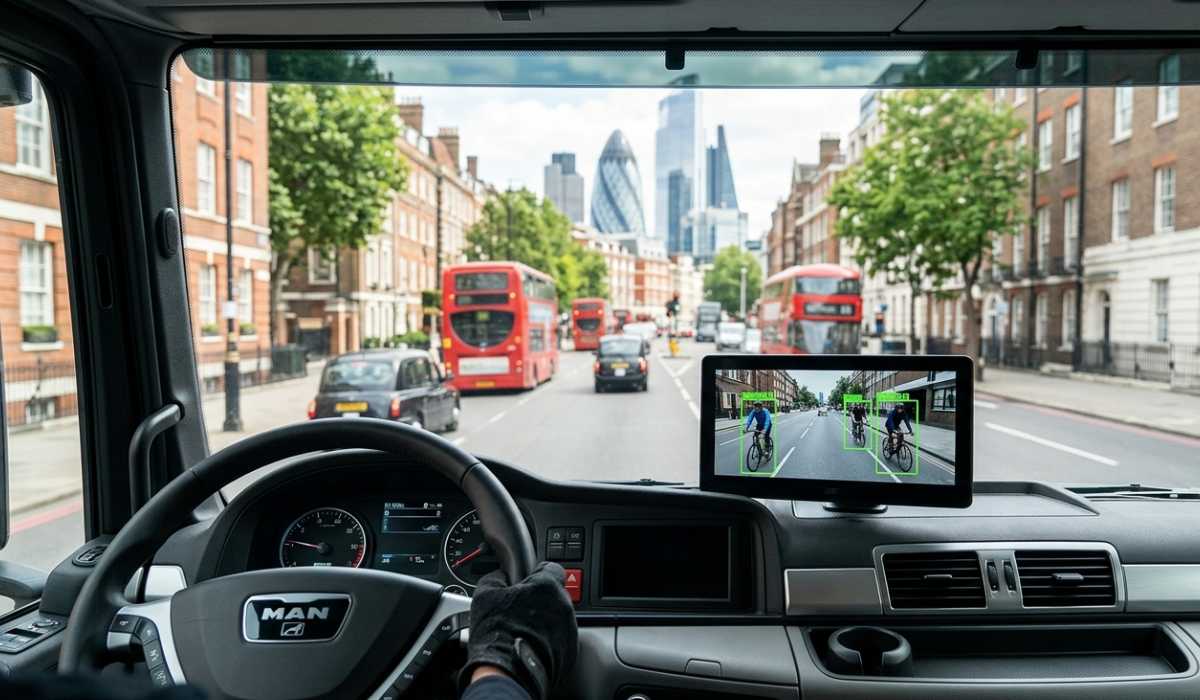
The Progressive Safe System in London is a road safety standard primarily for heavy goods vehicles (HGVs). It will aim to minimize collisions between pedestrians, cyclists, and trucks by increasing the visibility of the driver and implementing innovative safety features.
The program is a component of London’s Vision Zero plan to reduce the number of fatalities and serious injuries caused by traffic accidents. It is targeted at enhancing the safety of operating large vehicles in urban environments.
Progressive Safe System Requirements
| Requirement | Description | Purpose |
|---|---|---|
| Direct Vision Standard (DVS) | Vehicle must have a minimum star rating (normally 1 star or above) | Ensures the driver has a better direct view of the road. |
| Blind Spot Information System | Uses sensors and cameras to detect objects in blind spots | Minimizes risk of collision with bicycles and pedestrians |
| Moving Off Information System | Notifies the driver if anyone is in front of the vehicle | Avoids incidents when starting from a stop |
| Side Underrun Protection | Vehicle sides fitted with safety bars | Prevents cyclists from getting trapped under the truck |
| Safe Exit Warning System | Alarms when a cyclist is close to the doors | Prevents door-opening accidents |
| Audible Warning System | Alerts sound during turning/reversing | Warns pedestrians and road users |
| Camera Monitoring System | Cameras installed around the vehicle | Improves visibility around the vehicle |
What is the Progressive Safe System?
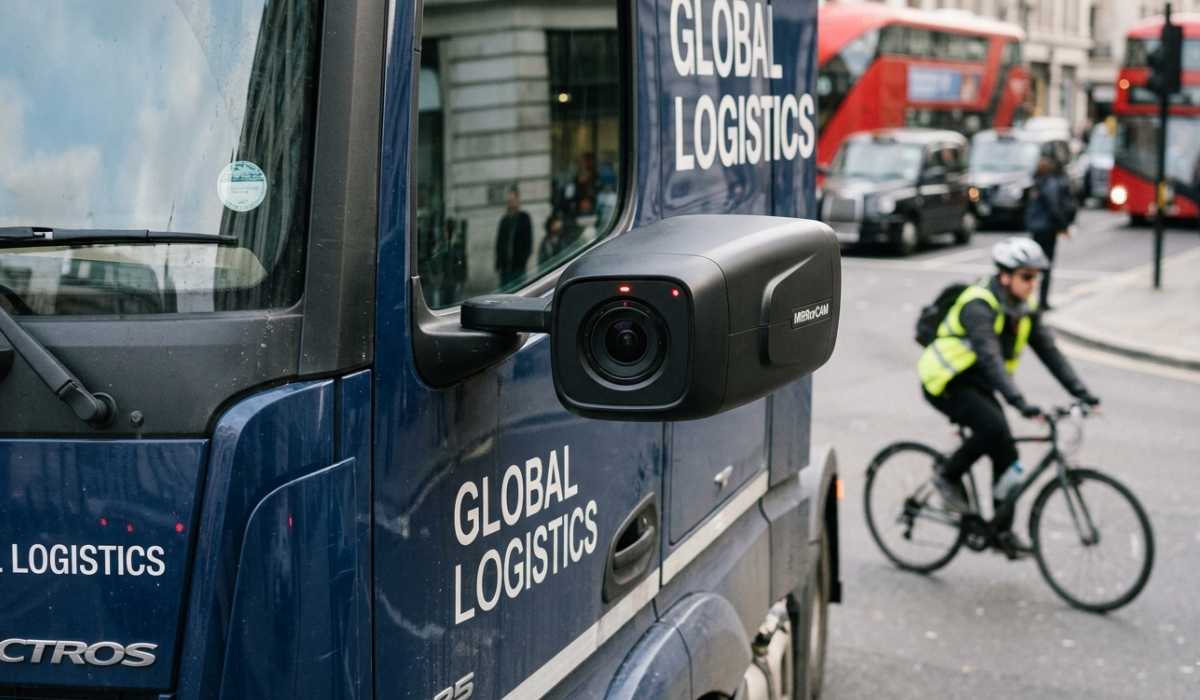
The Progressive Safe System is a family of safety rules developed for heavy vehicles (over 12 tonnes). It is used in conjunction with the Direct Vision Standard (DVS), which assesses the level of visibility a driver can see directly from the cab.
There are a number of blind spots for large trucks, and these areas are even more hazardous on busy city roads. Companies can solve this issue by implementing the newest safety equipment, including sensors, cameras, and warning systems. These improvements facilitate drivers’ visibility of other vehicles, bicyclists, and pedestrians.
Importance of the System
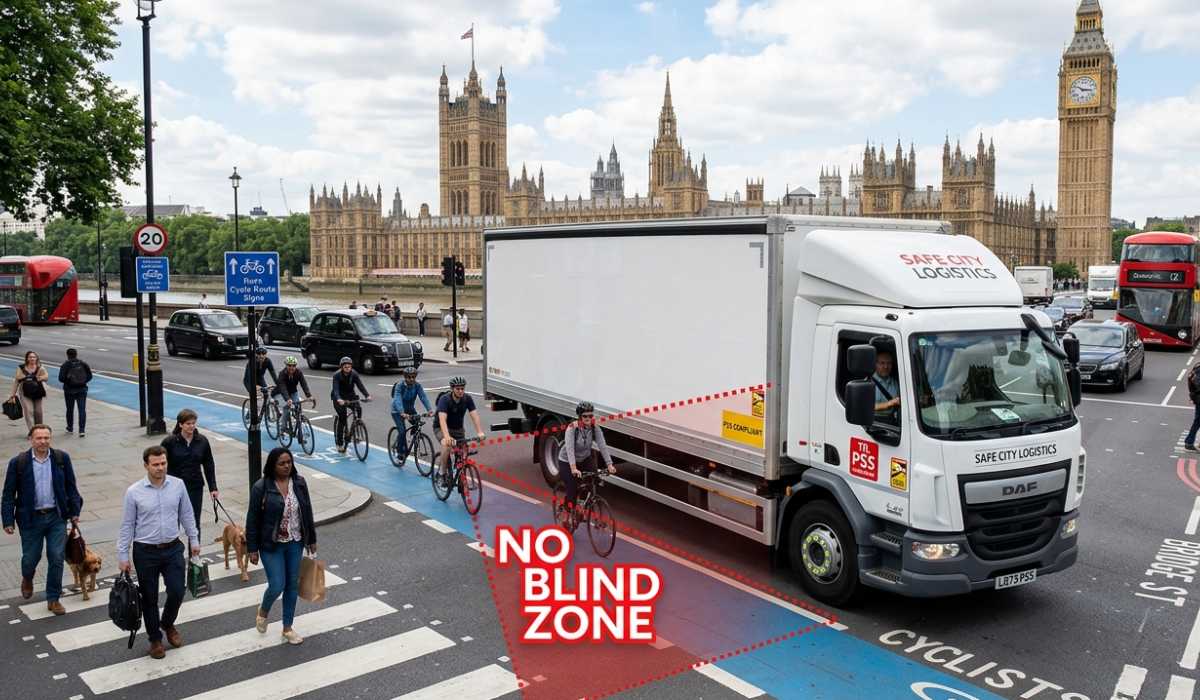
London is a city with a high number of pedestrians and cyclists, narrow roads, and high traffic volumes, making it a major concern for road safety. Accidents involving trucks can be very serious due to their size and weight.
The Progressive Safe System was launched in:
- Minimise fatalities and injuries on the road.
- Improve visibility for truck drivers
- Safeguard cyclists and pedestrians
- Encourage safe mobility in cities. Promote safer urban mobility.
- Help achieve Vision Zero targets
The system helps to enhance the safety of vehicles, which ultimately makes the roads safer for everyone by minimizing human error.
Direct Vision Standard (DVS)
This system helps to evaluate how safely a driver can see the road directly from a car cabin.
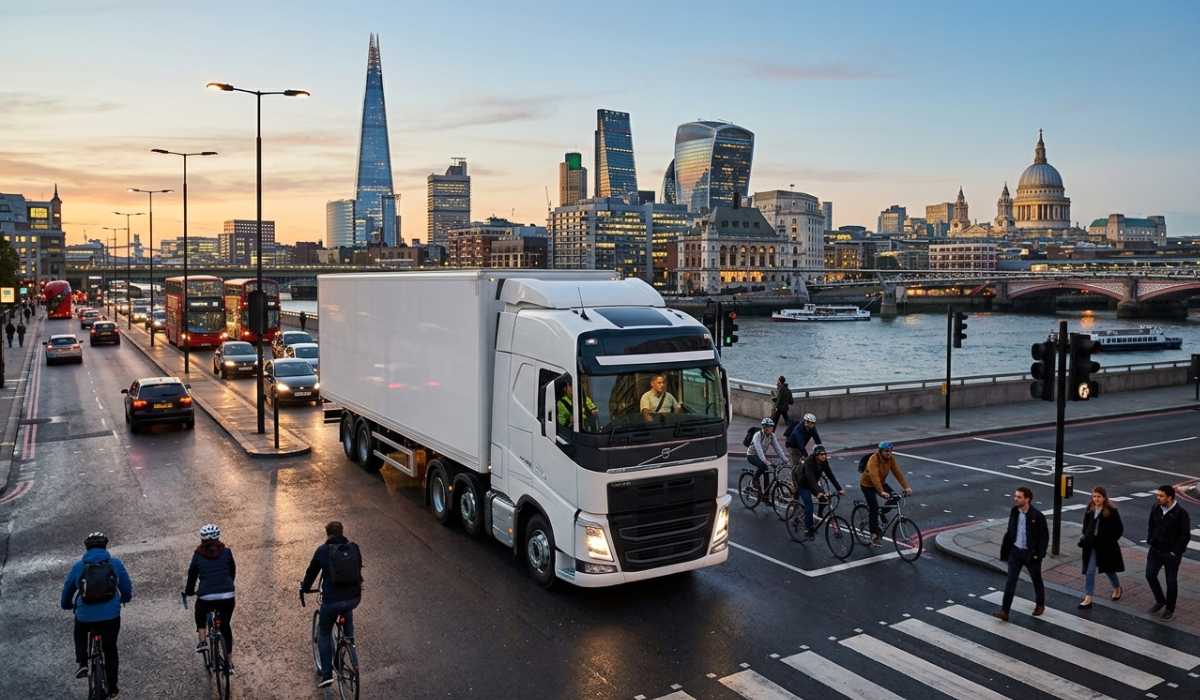
What is DVS?
The Direct Vision Standard is a rating system that quantifies the amount of vision drivers have through the front and side windows of a truck without the aid of cameras or mirrors.
It is more about natural visibility from the cab so that it reduces dependence on technology. A higher direct vision rating indicates that there are fewer blind spots and thus a reduced risk of road accidents.
Star Rating System
The DVS star rating system has a range between 0 and 5 stars, indicating a vehicle’s safety with regard to its visibility. The higher a vehicle is, the more of the roads behind it the driver can see directly, and the lower a vehicle’s rating, the more safety equipment it will need to run on the London roads.
- 0–1 star: visibility is very poor, and the risk is high
- 2 Stars: Limited visibility – needs improvement
- 3 stars – Average level of safety.
- 4-5 stars: high visibility and safer operation
Key safety technologies
These technologies work together to reduce blind spots and enhance overall road safety.
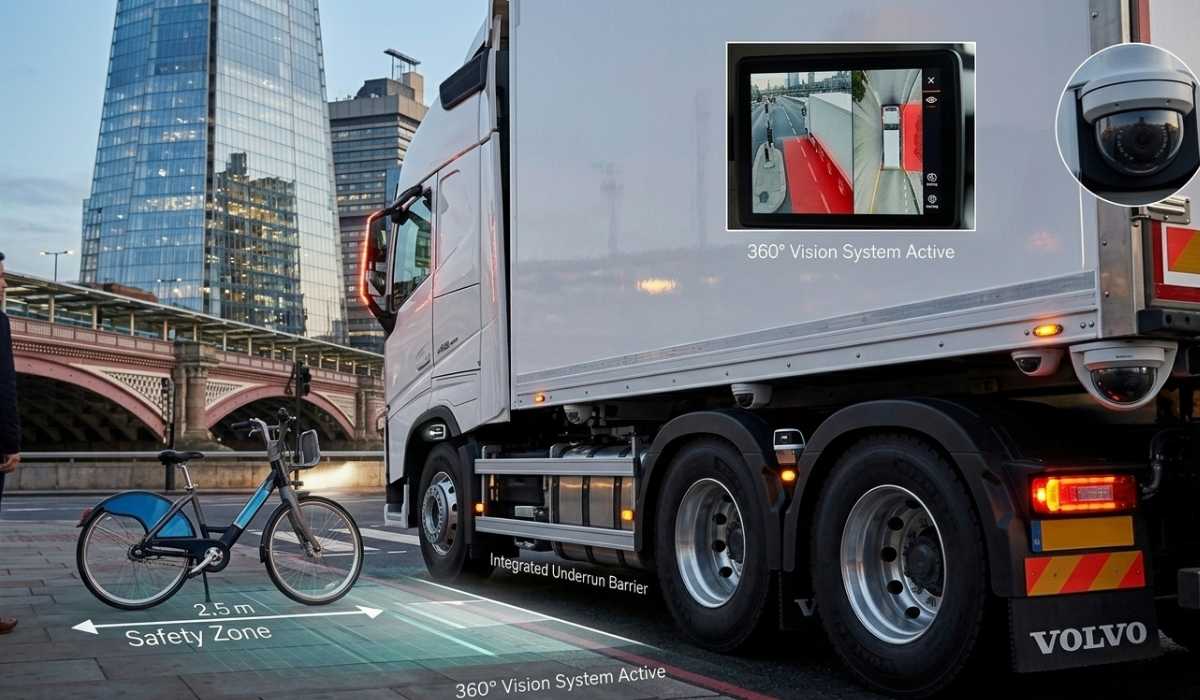
Sensor-Based Detection
Sensor-based detection systems use proximity sensors or radar to identify moving things near the truck. These systems are particularly useful when it comes to situations where a driver is not able to see cyclists or pedestrians in blind spots.
If any movement is detected, the system automatically notifies the driver to avoid accidents.
Camera Systems
Camera systems offer a more comprehensive and detailed perspective around the entire vehicle, even regions where the mirror cannot reach.
This type of camera is typically installed in the front, side, and back of the truck. They assist drivers to see more accurately, particularly while driving on narrow or congested urban streets.
Warning Alerts
Warning alert systems warn drivers of hazards in the immediate vicinity through sound and/or sight.
A pedestrian or cyclist is warned if he or she is too close during a turn or reverse. This quick alert can alert the driver to act in time and prevent collisions.
Safety protection bars on the side
Side underrun protection bars are heavy-duty metal bars installed on the sides of heavy trucks. They are designed to keep cyclists or smaller vehicles from getting under the truck in the event of a side impact.
This greatly reduces the severity of injuries in case of accidents.
Permit System for HGVs
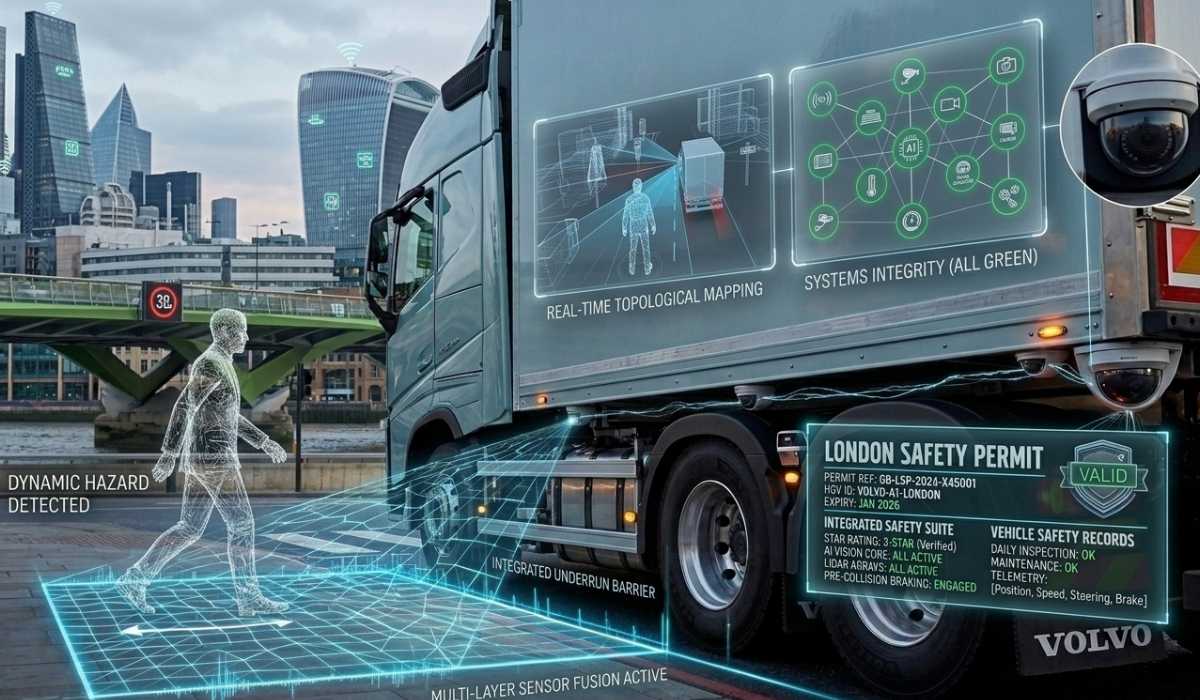
A valid London Safety Permit is required for heavy goods vehicles (HGVs) over 12 tonnes.
To get a permit, operators must:
- Satisfy DVS star-rating requirements.
- Fit all the required safety systems.
- Obtain a set of vehicle safety records
Vehicles could be fined and taken to court if they are not properly licensed.
Not following rules: Penalties
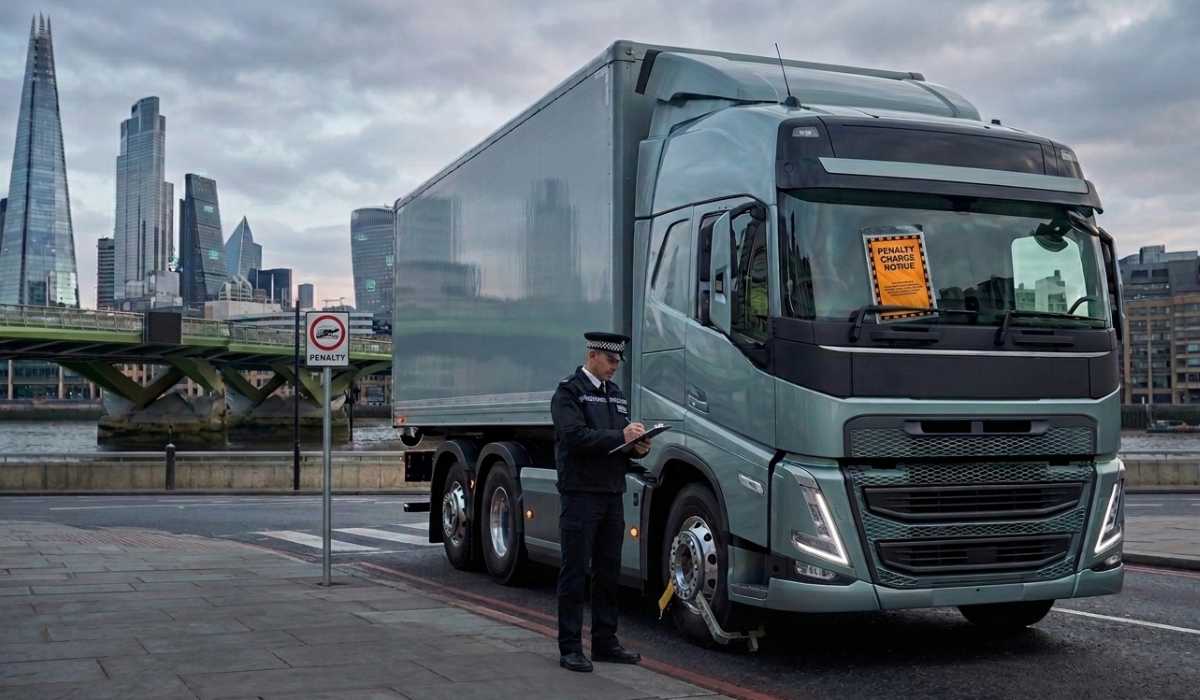
These safety restrictions are strictly enforced by London Transport. If a business doesn’t comply, it may be held accountable for:
- Heavy daily fines
- Legal penalties
- Loss of operating permission
- Increased insurance costs
This is why most transport firms upgrade their vehicles before they enter the city due to these fines.
System Advantages
This system has numerous advantages:
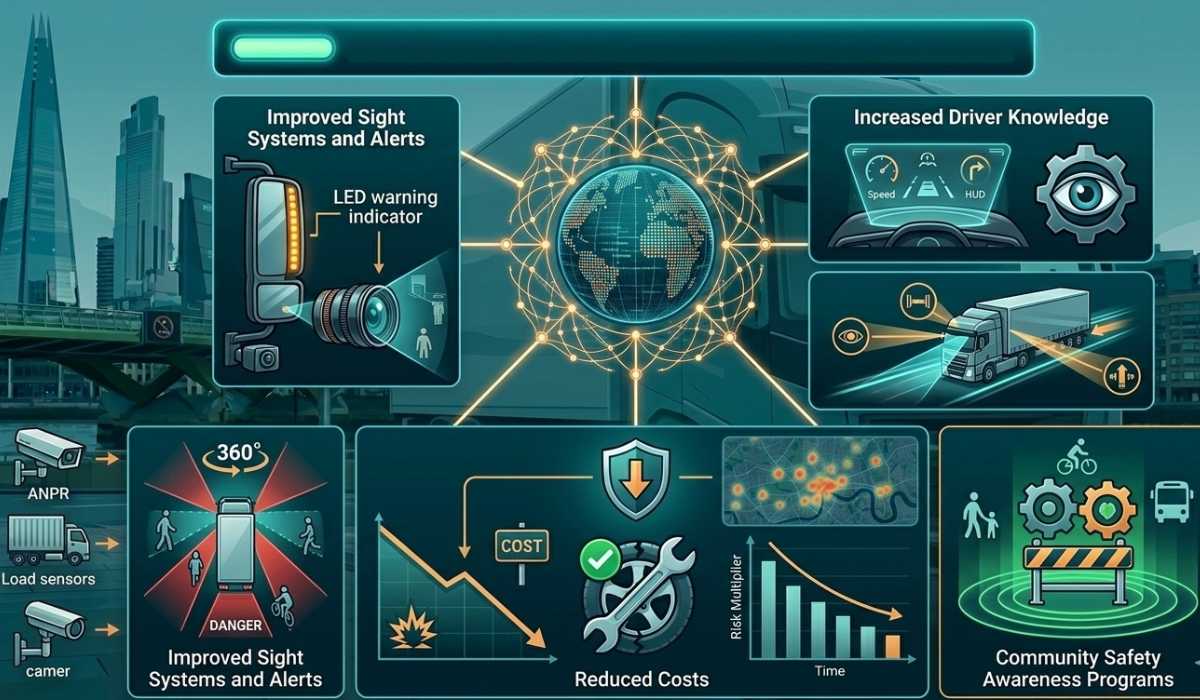
Improved Safety
The Progressive Safe System can help enhance road safety by minimizing the likelihood of crashes between large trucks.
Improved sight systems and alerts enable drivers to respond more quickly and manage potentially hazardous situations better.
Increase Driver Knowledge
Cameras, sensors, and warning systems improve the awareness of what is going on around the driver.
This aids them in making safer driving decisions, particularly in the congested city traffic environment where visibility may be restricted.
Reduced Costs
This helps companies to avoid costly vehicle repairs, insurance claims, and legal problems associated with accidents. Safer operations also minimize downtime and enhance business efficiencies over time.
Community Safety Awareness Programs
The system provides a safer environment for pedestrians, cyclists, and other road users. It helps to decrease the risk of serious accidents in populated places and increases the safety of metropolitan transportation.
Challenges for Transport Companies
Adapting to these rules often requires time, investment, and careful fleet planning.

High Upgrade Costs
It can be costly for transport companies to install advanced safety systems like cameras, sensors, and warning devices.
These improvements are not something that small businesses can easily afford, particularly if they have a number of vehicles.
Older Vehicle Issues
Some older trucks are not built to accommodate modern safety technology. Sometimes, businesses might have to buy new cars rather than upgrade their old ones on financial grounds.
Training Requirements
Operators need to be educated on the appropriate use and understanding of new safety systems.
Even high-tech technology cannot be effectively used if not properly trained, thus diminishing its safety benefits.
Administrative Work
There is paperwork, permits, and updated responsibilities that need to be met.
This can be a time-consuming and resource-intensive administrative task that diverts attention from day-to-day business operations.
Future of the Progressive Safe System
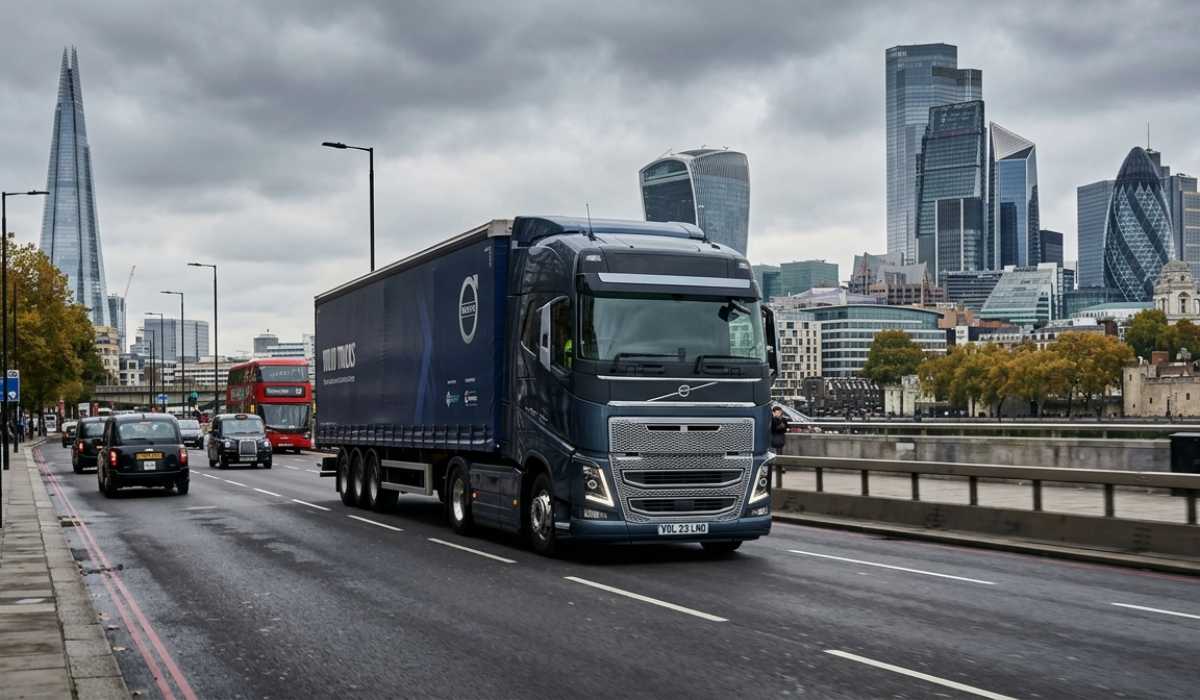
The system will be continually developed with the improvement of technology. These are the features that are planned for future updates:
- AI-based collision detection
- Fully automated emergency braking
- Smarter camera systems
- Higher safety standards
The aim is to eradicate all serious collisions on roads in urban areas such as London in the long term.
Conclusion
The Progressive Safe System in London is a crucial part of making urban travel safer. It promotes the use of modern safety equipment in heavy goods vehicles, which can also help to reduce the frequency of accidents and improve safety for vulnerable road users such as cyclists and pedestrians. While it might add to the expense of transport firms, the advantages in terms of safety, effectiveness, and lowering the likelihood of accidents are far more valuable in the long term for modern life in the city.