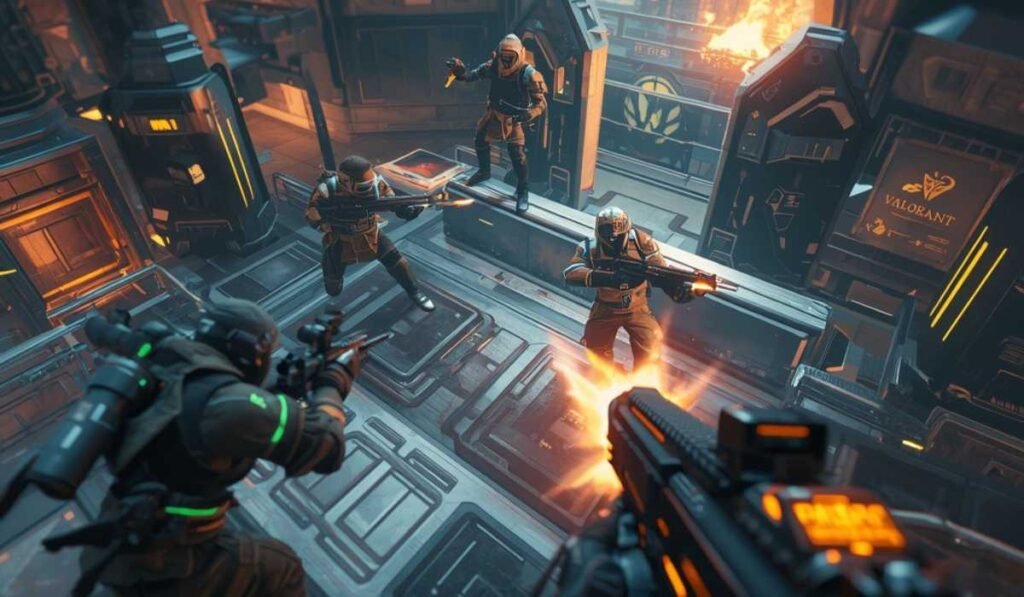
Valorant is a competitive first-person shooter game that is ranked among the most popular in the world. Riot Games developed it, and it is commonly recognized as a game with a smooth performance, tactical gameplay, and low system requirements.
In contrast to most contemporary FPS games, Valorant can run on a wide variety of computers, including low-end laptops and high-end gaming desktops.
This is a comprehensive tutorial that will discuss the Valorant system requirements in an easy and organized manner. You will know which kind of PC will be required to play 30 FPS, 60 FPS, and 144+ FPS games. This will assist you in determining whether your existing system suffices or if you would like to think about an upgrade.
Valorant Introduction and Performance Focus
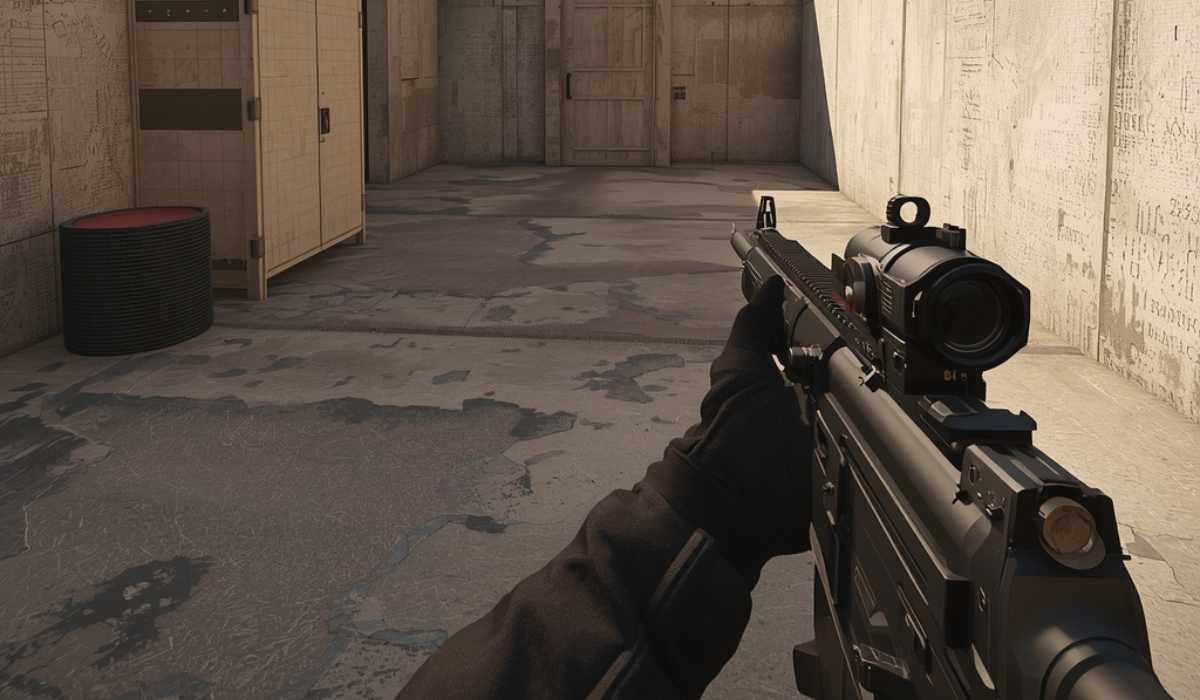
Valorant is designed with competitive gaming in consideration. Each game relies on the response time, accuracy of shots, and consistency in frames.
Due to this, the developers were more performance-oriented than graphics-oriented.
The game is aimed at:
- Performs well on underpowered computers.
- Provide consistent online match FPS.
- Less input delay to play competitively.
- Be consistent even when engaged in fierce fights.
This distinguishes Valorant from most other shooting games that have to be played with powerful GPUs and high-end hardware.
The importance of System Requirements in Valorant
Valorant is a fast-paced game, and system requirements are highly important. Your timing and aim can be influenced by even a slight decrease in FPS.
A stable system assists you:
- Respond quicker in a gunfight.
- Have steady aiming control.
- Avoid lag and stuttering
- Enhance performance in matches.
Performance is the main factor in a competitive FPS game, compared to graphics quality. This is the reason why players give attention to the stability of FPS, rather than visual settings.
Valorant Minimum System Requirements (30 FPS Basic Play)
The minimum requirements will enable you to play Valorant, but you can only play casually. It is not ideal for ranked or competitive matches.
Basic Hardware Requirements
To play Valorant with a minimum of approximately 30 FPS, the following should be met by your system:
| Component | Requirement |
|---|---|
| Processor | 16-core server CPU |
| RAM | 32 GB or higher |
| Storage | 1 TB SSD or over storage |
| Database | SQL Server Enterprise by Microsoft |
Here, the game will perform, and you can probably observe a drop in FPS when it comes to the heated battles or when you are using abilities a lot. Movement can be a bit slow.
Valorant Recommended System Requirements (60 FPS Smooth Gameplay)
| Component | Requirements / Details |
|---|---|
| Target Performance | 60 FPS for a smooth and comfortable gaming experience without expensive hardware |
| Processor (CPU) | Intel i3-4150 or AMD Ryzen 3 1200 for stable performance |
| Graphics Card (GPU) | Lower-end GPUs like GT 730 or Radeon R7 240 work well |
| RAM (Memory) | Minimum 4 GB, but 8 GB is recommended for better stability |
| Storage | SSD is preferred over HDD for faster loading and reduced stuttering |
High-End System Requirement (144 FPS Competitive Play)
| Component | Requirements / Details |
|---|---|
| Target Performance | High FPS is required for competitive Valorant gameplay and faster reaction time |
| Processor (CPU) | Intel i5-9400F or AMD Ryzen 5 2600X for stable high-FPS performance |
| Graphics Card (GPU) | Minimum GTX 1050 Ti for achieving 144+ FPS gameplay with smooth rendering |
| Monitor | 144Hz or higher refresh rate monitor is required for full competitive experience |
| Gameplay Benefit | Smooth handling of fast-paced fights with minimal frame drops |
The level at which the gameplay is made supremely smooth and the input delay is almost imperceptible, which is the best in competitive gaming.
Important Technical Requirements in Valorant
The Valorant game has a robust anti-cheat system known as Riot Vanguard that introduces a couple more system requirements.
Secure Boot Requirement
Secure Boot has to be turned on in BIOS by Windows 11 users. This is necessary to ensure game security.
TPM 2.0 Support
TPM 2.0 will be required to authenticate the system and to work with Vanguard.
DirectX 11 Requirement
To play the game, one must have DirectX 11. Otherwise, Valorant does not boot up.
These conditions make the game fair and safeguard against cheating.
Scoring of FPS levels in simple terms
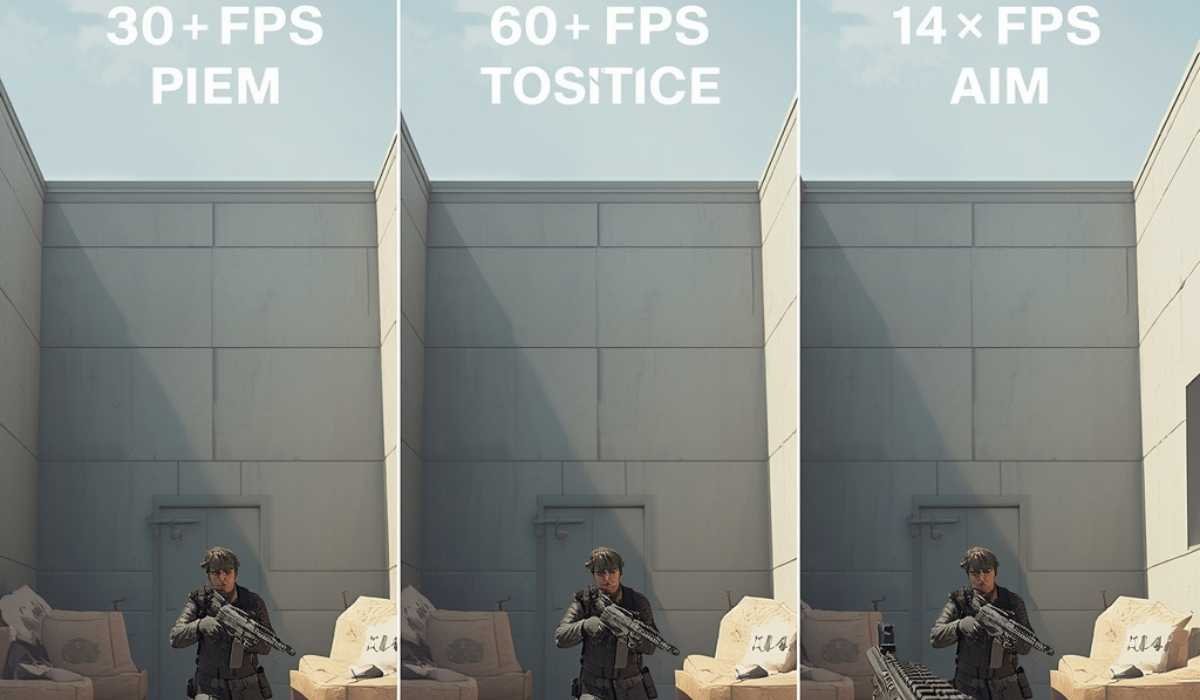
Knowledge of FPS can make you select the appropriate system based on your desires in playing games.
- 30 FPS – Basic Play
The game can be played at 30 FPS but does not run smoothly. You can experience minor delays in the movement and shooting.
- 60 FPS – Smooth Experience
The game is responsive at 60 FPS. This is optimal among the majority of players.
- 144 FPS and higher—Competitive Level
Game play is very smooth at 144+ FPS. Reactions are instant, and players have a competitive edge.
In Valorant, the higher FPS is, the better the accuracy and responsiveness will be.
How to Play Valorant Better
Although your PC might be weak, you can enhance performance with easy optimization techniques.
Graphics Settings Optimization
Reduce everything including textures, shadows, and effects to instantly increase FPS.
Background App Management
Unnecessary applications such as browsers, downloads, and streaming applications can be closed to release system resources.
Driver Updates
It is also important to keep your GPU drivers up-to-date and, therefore, perform better and more stably.
Windows Performance Mode
It is possible to increase FPS a little by setting Windows power mode to High Performance.
These are basic measures that can increase the smoothness of gameplay.
Will Valorant run on an extremely low-end PC?
Yes, Valorant will be able to run on extremely low-end systems, such as older laptops and inexpensive desktops. This is among the primary reasons why it is popular.
But it has its limitations:
- The FPS can decrease during combat.
- The graphics should be turned down.
- Competitive gameplay can be inconsistent.
It is fun to play casually. However, when it comes to ranked matches, it is advisable to upgrade your system.
Even insignificant changes such as increasing RAM or changing to an SSD can result in a huge change in performance.
Best PC Build for Valorant (2026 Recommendation)
There are good systems that result in performance issues with some players.
- FPS Drops
Typically, due to overheating or background processes.
- Stuttering Issues
Frequently because of low RAM or slow HDD storage.
- Input Lag
It is possible when V-Sync is on and when the FPS is not constant.
These problems can be fixed at once and can enhance the gameplay.
Final Thoughts
Valorant is a highly optimized competitive FPS game in the world. It is built to work with virtually any system but can provide competitive players with high-performance gameplay.
To summarize:
- Valorant can be played on low-end PCs with 30 FPS.
- Mid-range computers can get to 60 FPS with ease.
- Competitive play can be attained with high-end PCs with 144+ FPS.
A simple system is sufficient in case you are a casual player. However, when you need serious ranked performance or esports-level gameplay, then it is highly recommended to invest in a superior CPU, and expand your RAM and a high refresh rate monitor.
Valorant demonstrates that a gaming PC does not have to be costly to play a high-quality and competitive game of FPS.